Common Signs of Vastu Imbalance in a Home
घर में वास्तु दोष के सामान्य संकेत
English
Introduction
Every home is expected to provide comfort, security, happiness, and peace. However, sometimes residents may experience discomfort, stress, lack of motivation, or a feeling that something is not right despite having all necessary facilities. According to Vastu Shastra, such situations may be associated with an imbalance in the flow of energy within the home.
It is important to understand that Vastu should not be viewed as the sole reason for every problem in life. Health, finances, relationships, and personal circumstances are influenced by many factors. However, Vastu encourages homeowners to examine whether the physical environment supports comfort, organization, and positive living.
1. Constant Feeling of Stress and Restlessness
One of the most commonly discussed signs of Vastu imbalance is a persistent feeling of uneasiness within the home. If family members frequently feel irritated, anxious, or uncomfortable without an obvious reason, it may indicate the need to review the home's layout, lighting, and organization.
2. Frequent Arguments Among Family Members
Occasional disagreements are normal in every family. However, continuous conflicts, misunderstandings, and tension among family members may suggest that the home environment lacks balance and harmony.
3. Poor Sleep Quality
A bedroom should promote relaxation and rest. Difficulty sleeping, frequent waking during the night, or feeling tired even after sleeping may indicate issues related to room arrangement, clutter, lighting, or overall comfort.
4. Lack of Motivation and Productivity
If residents consistently struggle to focus on work, studies, or daily tasks, the environment may not be supporting concentration and efficiency. A cluttered workspace or poorly organized room can contribute to distraction.
5. Excessive Clutter and Neglect
A home that remains disorganized for long periods often feels heavy and stressful. Accumulated unused items, broken objects, and neglected spaces can negatively affect the overall atmosphere.
6. Frequent Maintenance Problems
Repeated issues such as water leakage, electrical faults, poor ventilation, or structural damage may indicate that the home requires attention and improvement. Maintaining the property is an essential part of creating a positive environment.
7. Feeling Uncomfortable in Certain Areas
Sometimes family members naturally avoid spending time in specific rooms because they feel dark, cramped, or unpleasant. These areas may benefit from better lighting, ventilation, organization, or redesign.
Practical Checklist
- ✔ Is the entrance clean and welcoming?
- ✔ Does the home receive sufficient natural light?
- ✔ Are rooms well-ventilated?
- ✔ Is clutter regularly removed?
- ✔ Are broken items repaired promptly?
- ✔ Does the home feel peaceful and comfortable?
Conclusion
Many signs associated with Vastu imbalance are closely connected to practical aspects such as cleanliness, organization, lighting, ventilation, and maintenance. By improving these factors, homeowners can create a more comfortable and positive living environment.
हिंदी
परिचय
हर व्यक्ति चाहता है कि उसका घर सुख, शांति, सुरक्षा और सकारात्मकता का केंद्र बने। लेकिन कभी-कभी ऐसा होता है कि सभी सुविधाएँ होने के बावजूद घर में बेचैनी, तनाव या असंतोष का अनुभव होता है। वास्तु शास्त्र के अनुसार ऐसी परिस्थितियाँ घर में ऊर्जा संतुलन की कमी से जुड़ी हो सकती हैं।
यह समझना आवश्यक है कि जीवन की हर समस्या का कारण केवल वास्तु नहीं होता। स्वास्थ्य, आर्थिक स्थिति, संबंध और व्यक्तिगत परिस्थितियाँ भी महत्वपूर्ण भूमिका निभाती हैं। फिर भी वास्तु हमें यह देखने के लिए प्रेरित करता है कि क्या हमारा घर सकारात्मक और संतुलित वातावरण प्रदान कर रहा है।
1. लगातार तनाव और बेचैनी
यदि घर में रहने वाले लोग बिना किसी स्पष्ट कारण के लगातार तनाव, चिड़चिड़ापन या बेचैनी महसूस करते हैं, तो यह संकेत हो सकता है कि घर के वातावरण में कुछ सुधार की आवश्यकता है।
2. बार-बार पारिवारिक विवाद
हर परिवार में कभी-कभी मतभेद होना सामान्य है। लेकिन यदि घर में लगातार झगड़े, तनाव और गलतफहमियाँ बनी रहती हैं, तो यह असंतुलित वातावरण का संकेत माना जा सकता है।
3. अच्छी नींद न आना
यदि घर के सदस्य बार-बार नींद टूटने, अनिद्रा या सुबह थकान महसूस करने की शिकायत करते हैं, तो शयन कक्ष की व्यवस्था और वातावरण की समीक्षा करना उपयोगी हो सकता है।
4. काम में मन न लगना
पढ़ाई या कार्य में लगातार एकाग्रता की कमी होना कभी-कभी अव्यवस्थित या असुविधाजनक वातावरण से जुड़ा हो सकता है।
5. अत्यधिक अव्यवस्था
घर में पुराने, टूटे हुए या अनुपयोगी सामान का जमा होना वातावरण को भारी और असहज बना सकता है। वास्तु स्वच्छता और सुव्यवस्था पर विशेष जोर देता है।
6. बार-बार तकनीकी समस्याएँ
पानी का रिसाव, बिजली की समस्या, खराब वेंटिलेशन या अन्य रखरखाव संबंधी समस्याएँ घर के आराम और सकारात्मकता को प्रभावित कर सकती हैं।
7. कुछ स्थानों पर असहज महसूस होना
यदि परिवार के सदस्य घर के किसी विशेष हिस्से में जाने से बचते हैं या वहाँ असुविधा महसूस करते हैं, तो उस क्षेत्र में प्रकाश, वायु या सजावट सुधारने की आवश्यकता हो सकती है।
स्वयं मूल्यांकन सूची
- ✔ क्या मुख्य द्वार साफ और आकर्षक है?
- ✔ क्या घर में पर्याप्त धूप आती है?
- ✔ क्या कमरों में ताजी हवा का प्रवाह है?
- ✔ क्या घर व्यवस्थित और स्वच्छ है?
- ✔ क्या टूटे हुए सामान समय पर ठीक किए जाते हैं?
- ✔ क्या घर में शांति और आराम महसूस होता है?
निष्कर्ष
वास्तु दोष के अधिकांश संकेत व्यावहारिक जीवन से जुड़े होते हैं, जैसे स्वच्छता, व्यवस्था, प्रकाश, वेंटिलेशन और रखरखाव। इन क्षेत्रों में सुधार करके घर को अधिक सकारात्मक, आरामदायक और सुखद बनाया जा सकता है।
Quick Reference Chart
| Possible Sign | Area to Review |
|---|---|
| Stress & Anxiety | Lighting, Ventilation |
| Poor Sleep | Bedroom Arrangement |
| Frequent Arguments | Common Living Spaces |
| Lack of Focus | Study / Work Area |
| Clutter | Storage & Organization |
| Low Comfort | Overall Home Environment |
Frequently Asked Questions (FAQs)
Q. Does every problem indicate a Vastu defect?
A. No. Personal, financial, health, and lifestyle factors also influence life situations.
Q. Can Vastu imbalance affect peace of mind?
A. A poorly maintained or uncomfortable environment can contribute to stress and discomfort.
Q. Is clutter considered a Vastu issue?
A. Yes. Cleanliness and organization are important aspects of Vastu principles.
Q. Can existing homes be improved without reconstruction?
A. Yes. Better lighting, organization, ventilation, and maintenance can often make a noticeable difference.
Popular Vastu Categories
Explore the most visited Vastu topics
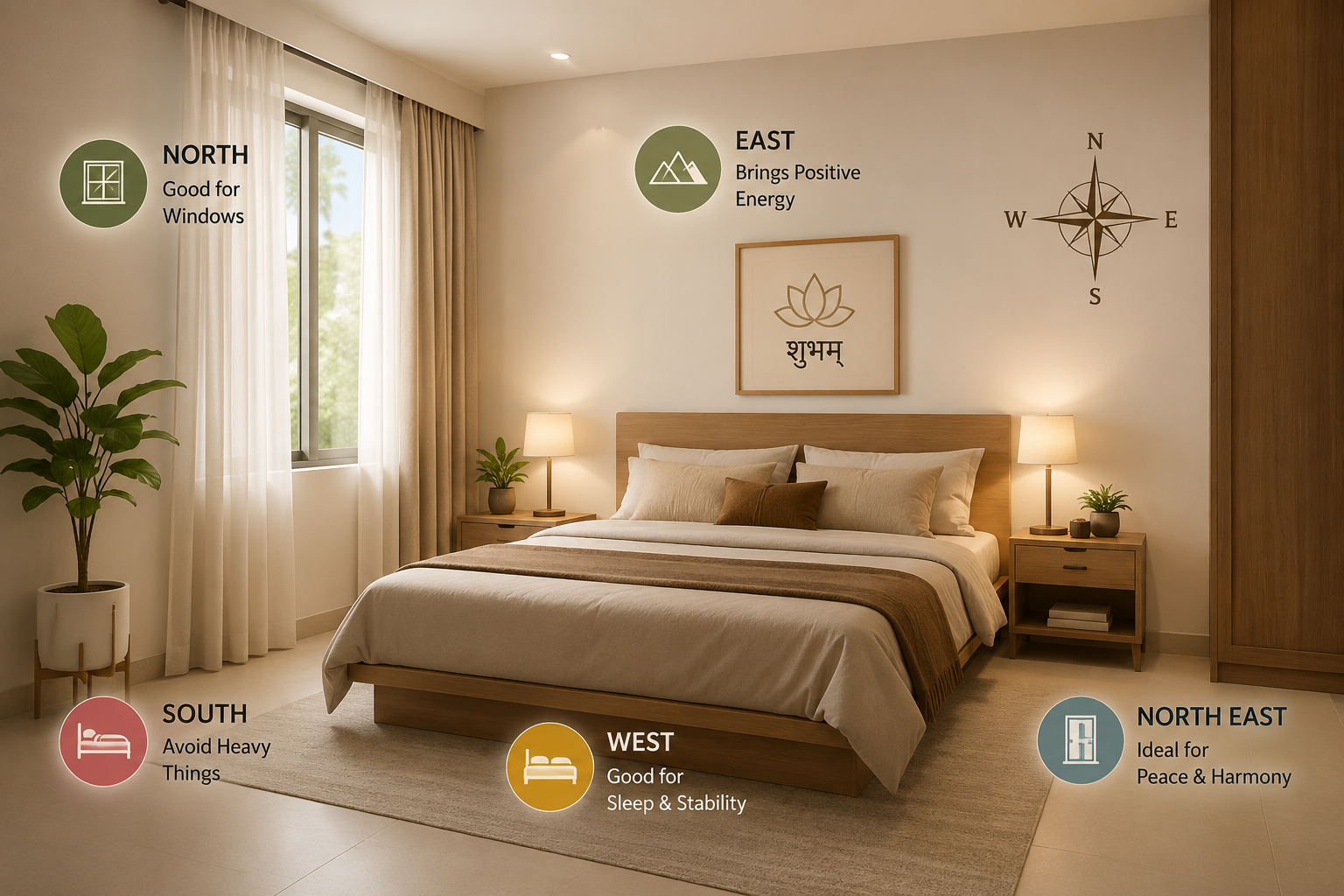
Bedroom Vastu शयन कक्ष वास्तु
Learn the best placement for bed, wardrobe, locker, study table and sleeping directions.
Read More
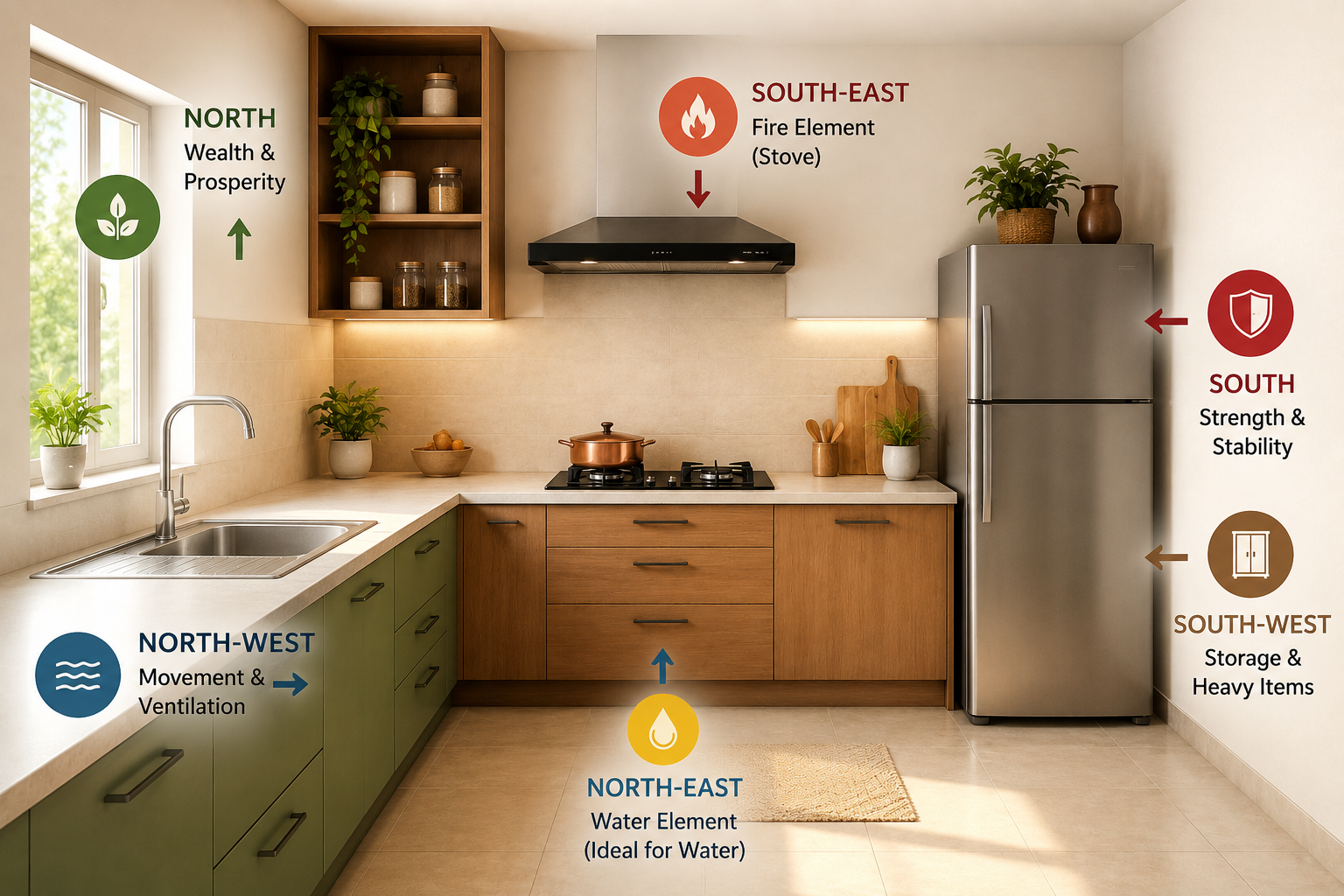
Kitchen Vastu
Ideal location for kitchen, gas stove, sink, refrigerator and storage units.
Read More
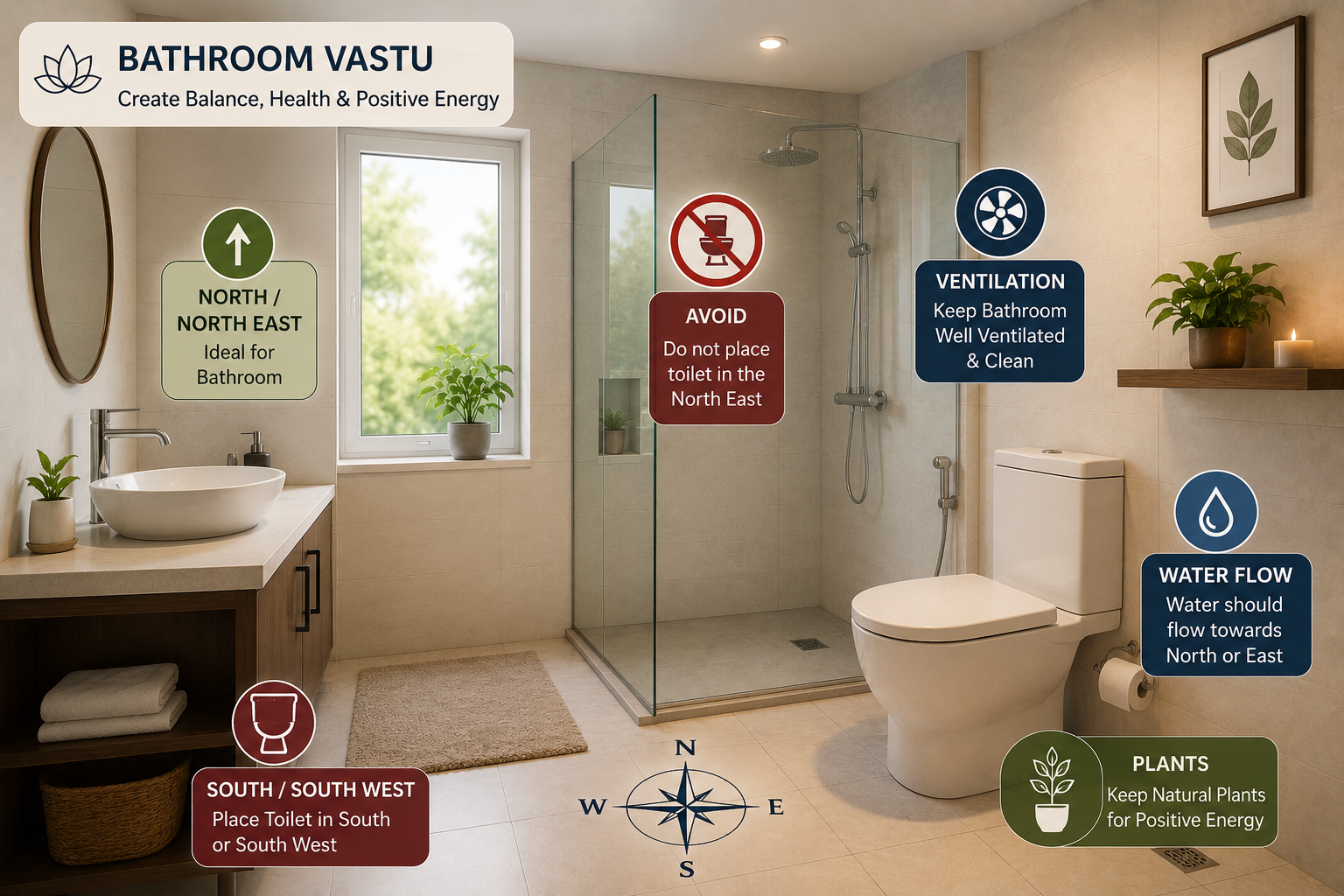
Bathroom Vastu बाथरूम वास्तु
Detailed guide for toilets, wash basins, mirrors, shower areas and water outlets.
Read More
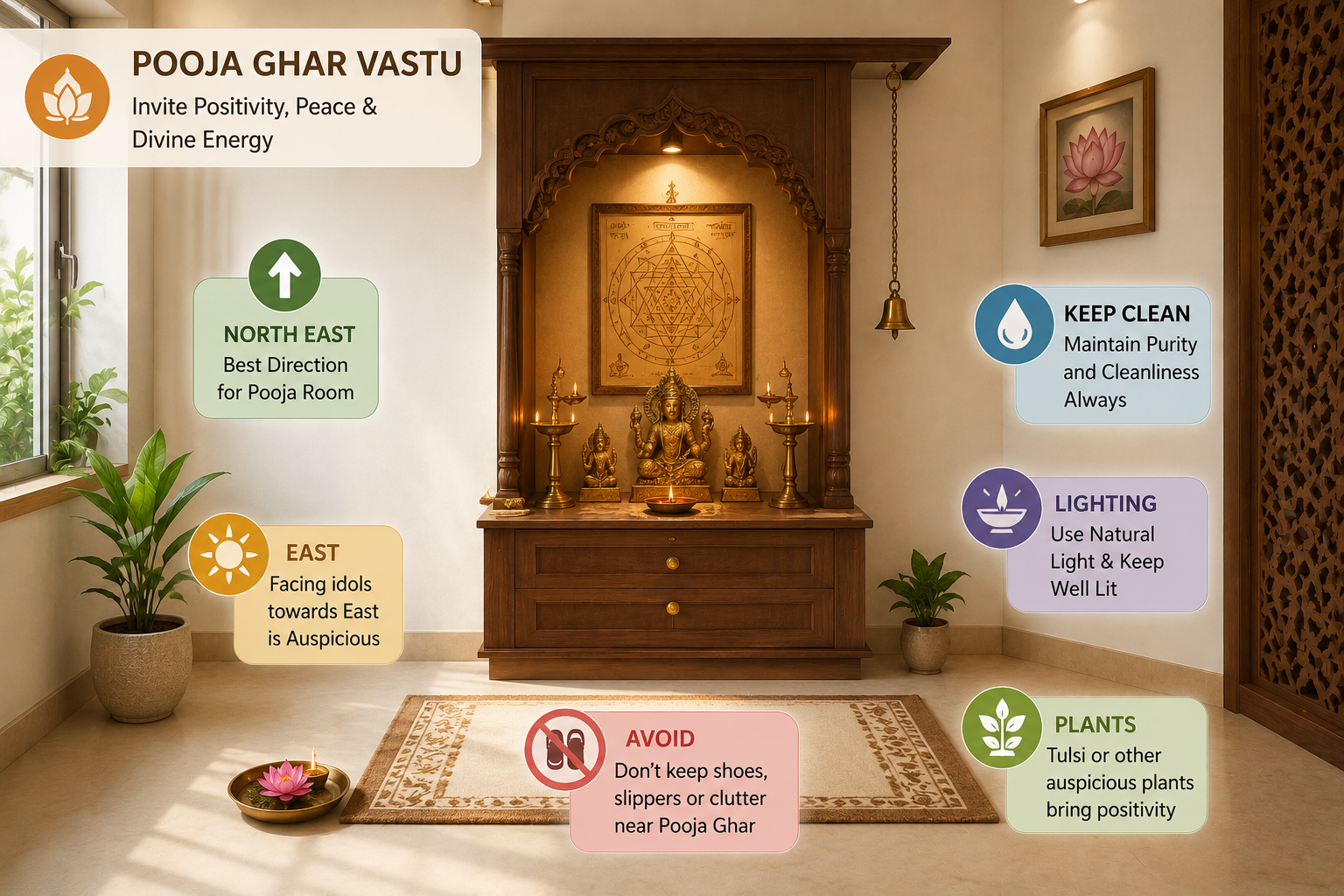
Pooja Room Vastu पूजा घर वास्तु
Best direction for temple placement, idols, lamps and sacred storage.
Read More
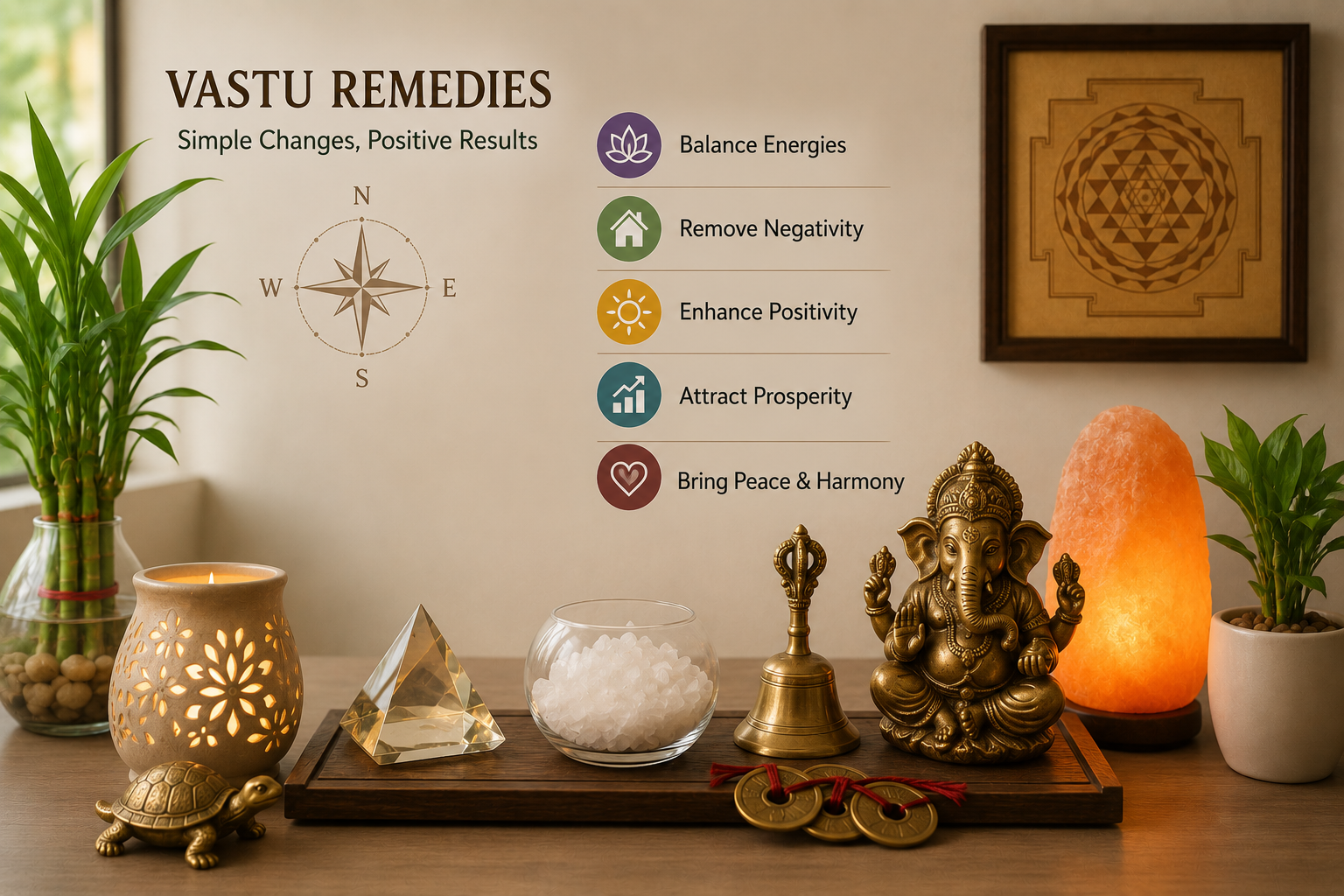
Vastu Remedies वास्तु उपाय
Explore practical remedies for common Vastu defects without reconstruction.
Read More
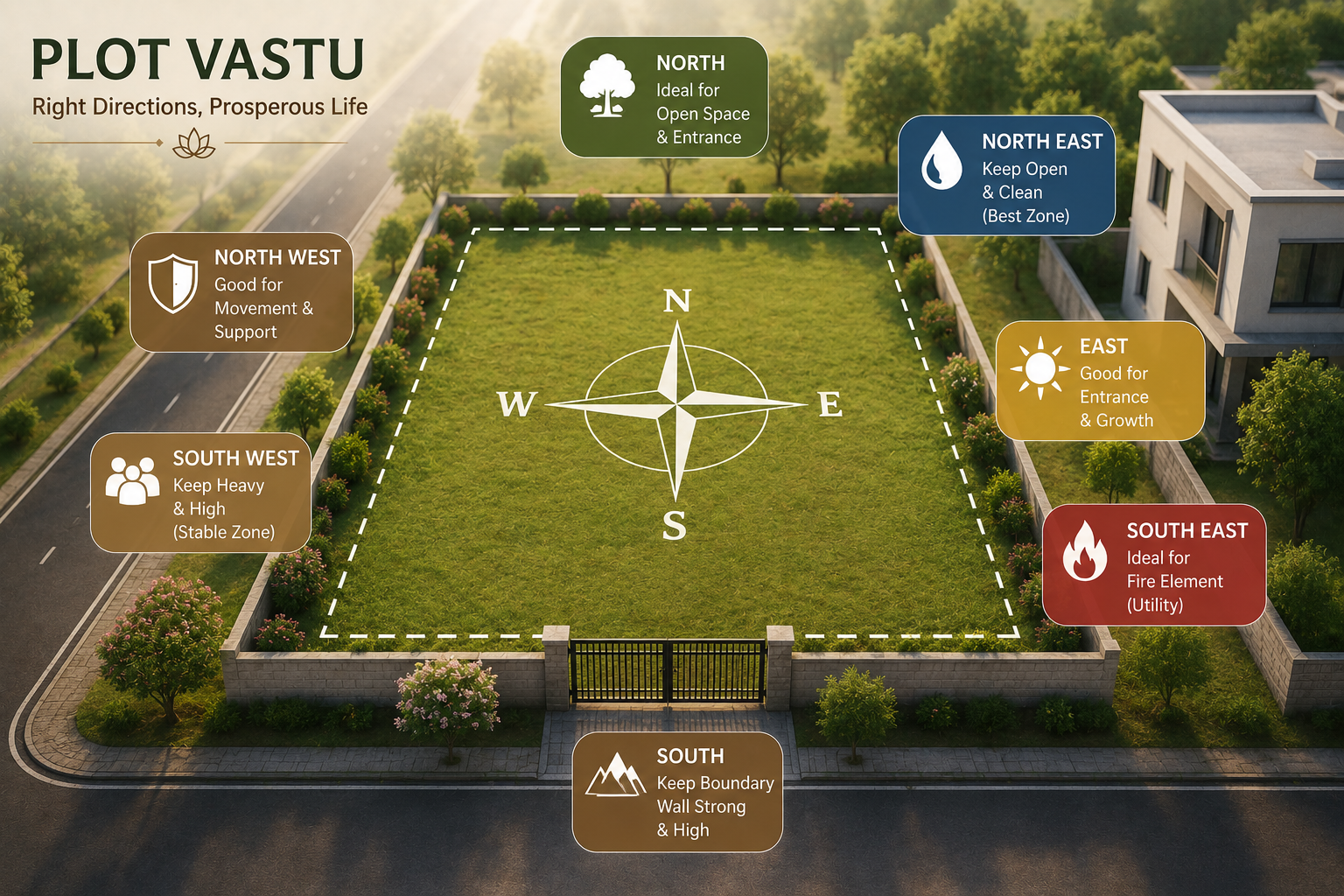
Plot Vastu प्लॉट वास्तु
Learn plot selection, shape, slope, road position and corner plot analysis.
Read More
Why Vastu Matters? वास्तु क्यों महत्वपूर्ण है?
Understanding the importance of proper planning
English: Good Vastu planning focuses on natural lighting, ventilation, efficient space utilization and comfortable living arrangements. While modern homes may not always follow traditional layouts, many Vastu principles still align with practical architectural planning and healthy living.
हिन्दी: अच्छा वास्तु घर में प्राकृतिक प्रकाश, उचित वेंटिलेशन, ऊर्जा संतुलन और आरामदायक जीवन व्यवस्था पर जोर देता है। आधुनिक घरों में भले ही सभी पारंपरिक नियम लागू न हों, लेकिन वास्तु के कई सिद्धांत आज भी व्यवहारिक और उपयोगी हैं।
Room Wise Quick Vastu कमरे के हिसाब से वास्तु की त्वरित जानकारी
Complete Vastu Guidance for Every Room in Your Home
Bedroom Vastu शयन कक्ष वास्तु
Ideal bed direction, wardrobe placement, locker position, mirrors and sleeping directions.
Explore
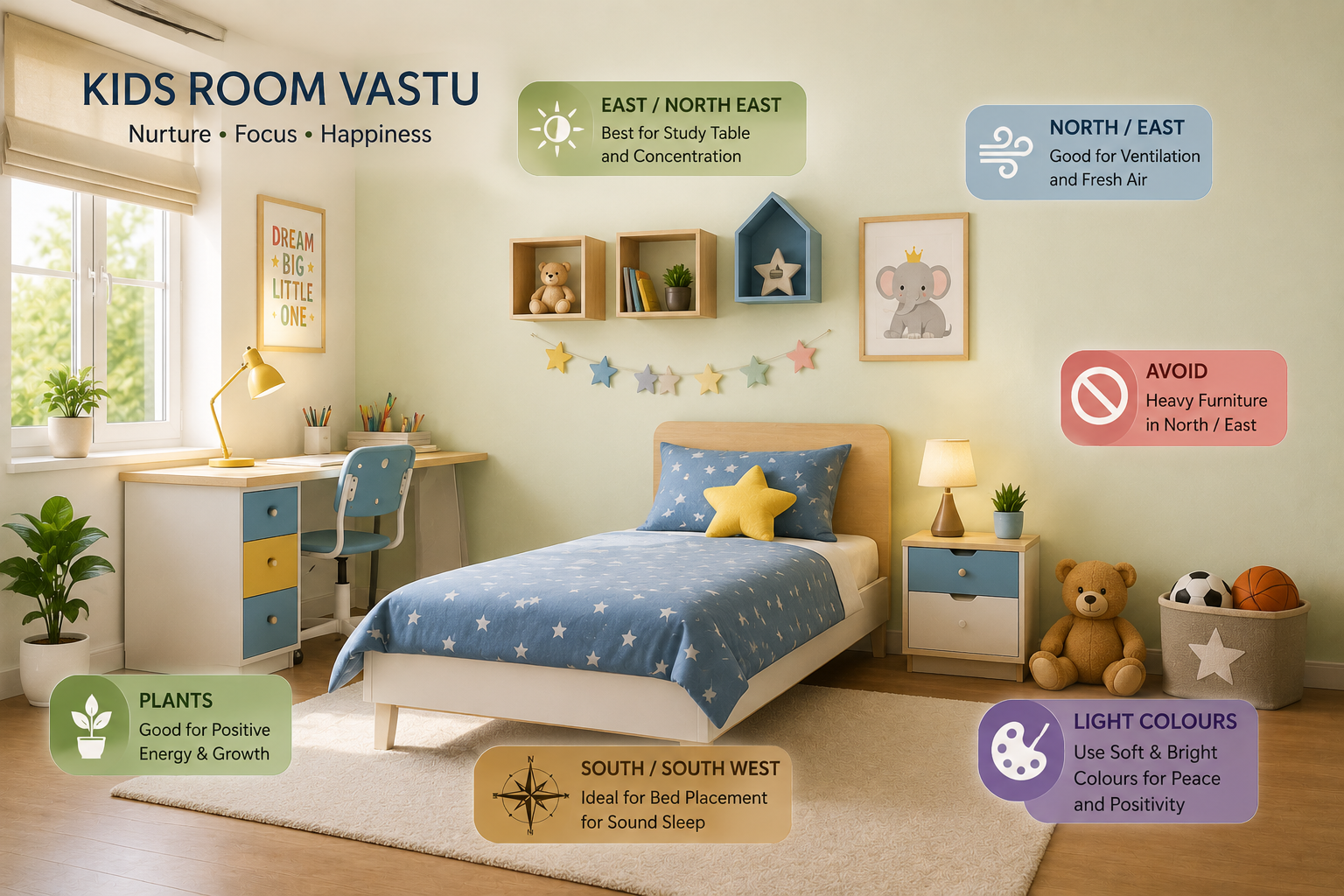
Kids Room Vastu बच्चों के कमरे का वास्तु
Study table, bed placement, storage and play area planning for children.
Explore
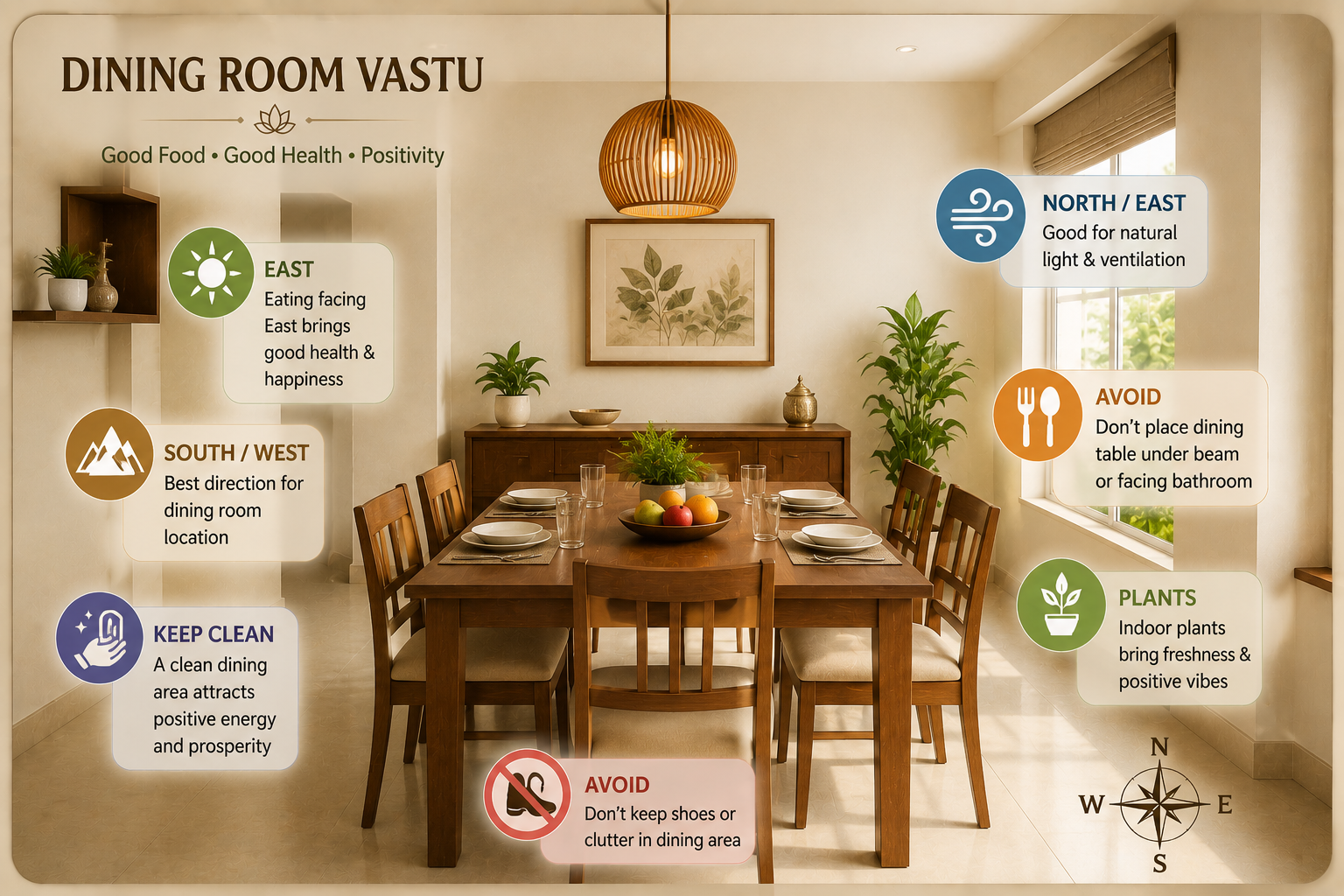
Dining Room Vastu डाइनिंग रूम वास्तु
Dining table direction, wash basin location, family seating and decorative placements.
Explore
Guest Room Vastu अतिथि कक्ष वास्तु
Ideal room position, bed placement and guest accommodation planning.
Explore
House Facing Vastu घर की दिशा और वास्तु
Understand Different House Facing Directions घर के अलग-अलग मुख की दिशाओं को समझें
North Facing House उत्तर मुखी घर
Room placement, entrance location, staircase and water element planning.
Read Guide
East Facing House पूर्व मुखी घर
Sunlight benefits, room arrangement and entrance planning.
Read Guide
South Facing House दक्षिण मुखी घर
Myths, facts and detailed room placement recommendations.
Read Guide
West Facing House पश्चिम मुखी घर
Proper planning and layout recommendations for west-facing homes.
Read Guide
Plot & Land Vastu प्लॉट और ज़मीन का वास्तु
Everything You Need Before Buying a Plot
Plot Selection Guide प्लॉट चुनने के लिए गाइड
Check shape, direction, road position, surroundings and slope.
View Details
Home Selection Vastu घर चुनने के लिए वास्तु
Square, rectangular, triangular and irregular shape analysis.
View Details
Construction Vastu निर्माण वास्तु
Important Elements While Building a Home
Latest Articles
Recently Published Quick Vastus
Best Direction for Every Room हर कमरे के लिए सबसे अच्छी दिशा
Detailed guide for all room placements.
Best Colors for Every Direction हर दिशा के लिए सबसे अच्छे रंग
Detailed color guide for all eight directions.
North-East Corner Importance उत्तर-पूर्व कोने का महत्व
Understand the significance of the Ishanya corner.
Mirror Placement Guide आईना लगाने के लिए गाइड
Where mirrors should and should not be installed.
Tulsi Vastu तुलसी वास्तु
Ideal location for Tulsi.
Plants Vastu पौधों से जुड़ा वास्तु
Best plants to grow and their ideal locations.
Staircase Vastu सीढ़ी वास्तु
Complete guide for staircase direction, number of steps etc.
Bathroom Vastu स्नानघर वास्तु
Complete guide for bathroom setup.
Complete Quick Vastu for Modern Homes आधुनिक घरों के लिए वास्तु की पूरी और त्वरित जानकारी
English & Hindi Vastu Resource Portal
English: Quick Vastu is an ancient Indian architectural science that focuses on creating balanced and harmonious living spaces. The principles of Vastu are based on directions, natural elements, sunlight, air circulation and efficient utilization of available space. Today many homeowners use Vastu principles while buying plots, constructing houses, planning room placements and selecting colors for interiors. While modern architecture differs from traditional homes, many Vastu concepts remain relevant because they emphasize practical aspects such as ventilation, cleanliness, sunlight exposure and efficient layout planning. On this website, you will find detailed information about bedroom Vastu, kitchen Vastu, bathroom Vastu, pooja room Vastu, staircase Vastu, plot selection, house-facing analysis, color selection and practical Vastu remedies. Whether you are planning a new house, renovating an existing property or simply exploring traditional Indian architectural concepts, this portal provides comprehensive guidance in both English and Hindi.
हिन्दी: वास्तु शास्त्र प्राचीन भारतीय वास्तुकला विज्ञान है जो घर और भवनों में संतुलन, सकारात्मकता और सुविधाजनक जीवन के लिए दिशा, स्थान, प्रकाश, वायु तथा प्राकृतिक तत्वों के उपयोग पर आधारित है। आज के समय में अनेक लोग प्लॉट खरीदने, घर बनाने, कमरों की योजना तैयार करने और रंगों का चयन करने में वास्तु सिद्धांतों का उपयोग करते हैं। यद्यपि आधुनिक घर पारंपरिक संरचनाओं से अलग होते हैं, फिर भी वास्तु के कई सिद्धांत आज भी उपयोगी माने जाते हैं क्योंकि वे प्राकृतिक प्रकाश, वेंटिलेशन, स्वच्छता और व्यवस्थित स्थान उपयोग पर जोर देते हैं। इस वेबसाइट पर आपको शयनकक्ष, रसोईघर, स्नानघर, पूजा कक्ष, सीढ़ी, जल टैंक, प्लॉट चयन, गृह दिशा, रंग चयन और वास्तु उपायों से संबंधित विस्तृत जानकारी हिंदी एवं अंग्रेज़ी दोनों भाषाओं में प्राप्त होगी।
Frequently Asked Questions अक्सर पूछे जाने वाले प्रश्न
Common Questions About Quick Vastu
1. Which direction is best for a house?
North, East and North-East facing homes are traditionally preferred.
2. Is South Facing House Bad?
No. Proper planning and room placement are more important than facing alone.
3. What is the best direction for a kitchen?
South-East is commonly recommended for kitchen placement.
4. Which direction is suitable for a bedroom?
South-West is generally preferred for the master bedroom.
5. Which direction is best for a pooja room?
North-East is commonly considered suitable for a pooja room.
6. What is the ideal sleeping direction?
Sleeping with the head towards South is traditionally recommended.
7. Can Vastu defects be corrected?
Many common defects can be improved through proper planning and maintenance.
8. Is Vastu important for apartments?
Many Vastu principles can still be applied in apartments and flats.
9. What is the best plot shape?
Square and rectangular plots are generally preferred.
10. Which direction is good for study?
East and North are commonly preferred for study areas.
11. क्या दक्षिण मुखी घर खराब होता है?
नहीं, सही योजना और वास्तु संतुलन के साथ दक्षिण मुखी घर भी अच्छा हो सकता है।
12. पूजा घर कहाँ होना चाहिए?
आमतौर पर उत्तर-पूर्व दिशा पूजा कक्ष के लिए उपयुक्त मानी जाती है।
13. मास्टर बेडरूम किस दिशा में होना चाहिए?
दक्षिण-पश्चिम दिशा को सामान्यतः उपयुक्त माना जाता है।
14. क्या वास्तु दोष बिना तोड़फोड़ के ठीक हो सकते हैं?
कई सामान्य दोषों को बिना निर्माण परिवर्तन के भी काफी हद तक सुधारा जा सकता है।
15. क्या फ्लैट में वास्तु लागू होता है?
हाँ, कई वास्तु सिद्धांत फ्लैटों में भी लागू किए जा सकते हैं।